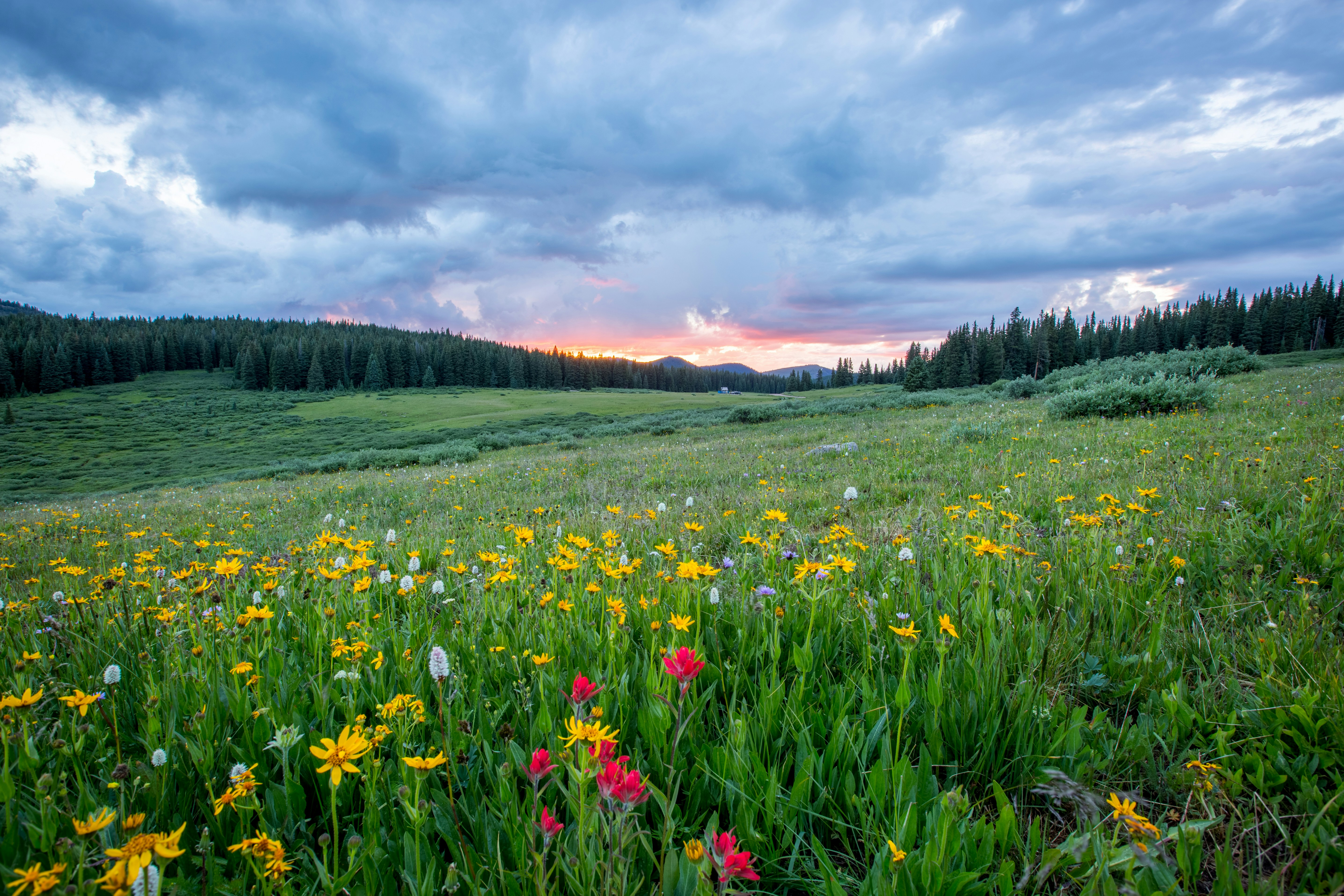












Cultural Immersion
Step into living traditions with guided heritage walks, local festivals, and authentic encounters in the world's most storied regions.
Learn More
Experience Winter in Swiss Alps

Discover Bali's Hidden Gems
Welcome To
Discover the world through data-driven insights and authentic travel experiences. Explore destinations, understand travel patterns, and make informed decisions about your next adventure.
Curated travel themes backed by destination data—find your next adventure across cultures, landscapes, and experiences.
Step into living traditions with guided heritage walks, local festivals, and authentic encounters in the world's most storied regions.
Learn More
From mountain trails to remote coastlines, explore high-energy itineraries rated for safety, seasonality, and traveler satisfaction.
Learn More
Unwind at spas, thermal springs, and nature retreats selected for restorative settings and proven guest wellness outcomes.
Learn More
Navigate iconic skylines, neighborhoods, and urban culture with metrics on walkability, events, and best times to visit.
Learn MoreTravel responsibly and make a positive impact on the destinations you visit.

Discover destinations that protect natural resources, reduce waste, and support conservation—so your travels leave a lighter footprint.
Learn More
Support locally owned stays, restaurants, and guides so your spending strengthens communities at the destinations you love.
Learn More
Explore authentic experiences that honor traditions, customs, and heritage sites while traveling with respect and curiosity.
Learn More
Use data-driven insights to pick eco-friendly stays and activities that benefit both you and the places you visit.
Learn MoreEmpowering travelers with data-driven insights for authentic global exploration.
Founded in 2020, GeoTourism Metrics emerged from a simple belief: that better information leads to better travel experiences. Our team of data scientists, travel experts, and local guides work together to provide the most comprehensive tourism analytics platform in the world.
We collect and analyze data from over 15,000 sources, including government tourism boards, traveler reviews, local businesses, and environmental organizations. This data powers our recommendations and helps travelers make informed decisions about where to go, when to visit, and how to travel responsibly.
Our mission is to make global travel more accessible, sustainable, and enriching for everyone. Whether you're planning your first international trip or your fiftieth, GeoTourism Metrics provides the insights you need to create unforgettable experiences.
Data Sources
Countries
Active Users
User Rating
Discover curated trip ideas and seasonal experiences from around the world.









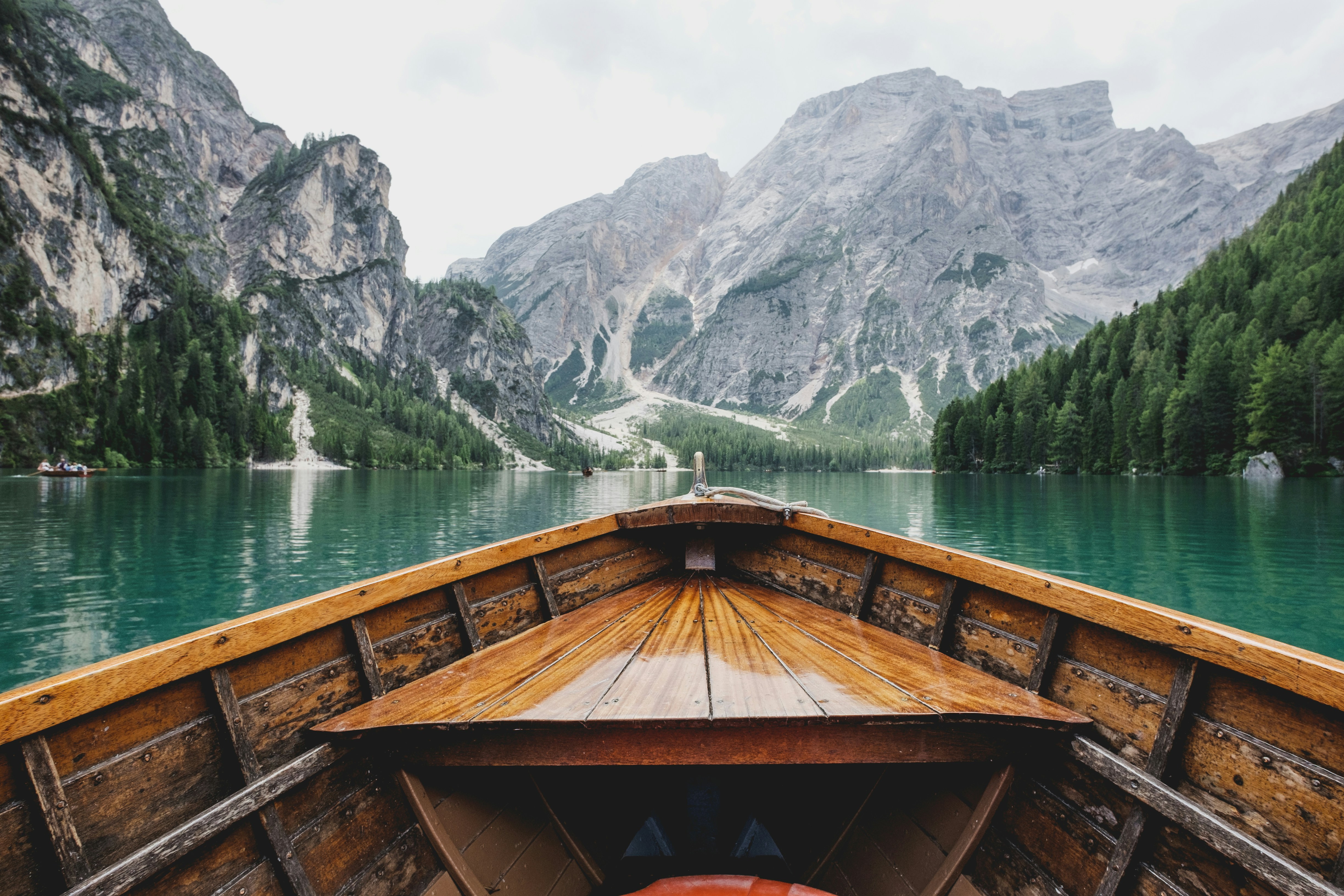



#GeoTourism
Use #GeoTourism on Instagram or X to share your photos of the season.